

Exploring the best siding materials for homes in cold climates opens up a world of possibilities for homeowners looking to protect their houses from harsh winter conditions. From vinyl to wood and fiber cement, each material offers unique advantages in combating the cold.
Let's delve into the details of how these siding options fare in chilly environments.
Types of siding materials suitable for cold climates
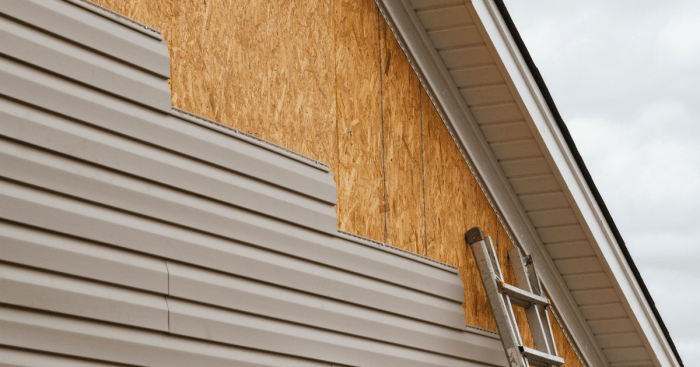
Vinyl, wood, fiber cement, and metal are some of the most commonly used siding materials for homes in cold climates. Each material has its own set of advantages and disadvantages when it comes to withstanding extreme cold temperatures.
Vinyl Siding
Vinyl siding is popular for its affordability and low maintenance requirements. It is also known for its durability and ability to resist moisture, making it a good choice for cold and wet climates. However, vinyl siding may become brittle in very cold temperatures and can crack or break upon impact.
Wood Siding
Wood siding provides a natural and classic look to homes in cold climates. It offers good insulation properties, helping to keep homes warm during winter months. However, wood siding requires regular maintenance to prevent rot, mold, and insect damage, especially in cold and damp conditions.
Fiber Cement Siding
Fiber cement siding is a durable and low-maintenance option for homes in cold climates. It is resistant to moisture, rot, and insects, making it ideal for harsh weather conditions. Fiber cement siding also provides excellent insulation, helping to keep homes warm and energy-efficient.
However, it can be heavy and more expensive compared to other siding materials.
Metal Siding
Metal siding, such as steel or aluminum, is known for its strength and durability in cold climates. It is resistant to extreme temperatures, moisture, and pests, making it a long-lasting option for homes. However, metal siding may dent or scratch easily, and it may not offer the same level of insulation as other materials, leading to potential heat loss in colder weather.
Factors to consider when choosing siding for cold climates
When selecting siding for cold climates, there are several key factors to consider to ensure that your home is well-insulated, durable, and requires minimal maintenance. One of the most important considerations is the thermal properties of the siding material, as it plays a critical role in maintaining warmth in cold weather conditions.
Extreme cold can have a significant impact on different siding materials, so it's essential to choose a material that can withstand these conditions while also providing adequate insulation for your home.
Insulation
Insulation is a crucial factor to consider when choosing siding for cold climates. Proper insulation helps to keep your home warm in the winter months and can also contribute to energy efficiency. Look for siding materials with high R-values, which indicate better insulation properties.
Materials like insulated vinyl siding or fiber cement siding are excellent choices for cold climates due to their insulating capabilities.
Durability
Durability is another essential factor to consider, especially in cold climates where extreme temperatures and harsh weather conditions can take a toll on siding materials. Opt for materials that are resistant to cracking, warping, or fading in cold temperatures. Vinyl siding, fiber cement siding, and metal siding are all durable options that can withstand the rigors of cold weather.
Maintenance Requirements
Consider the maintenance requirements of the siding material before making a decision. Some materials may require more frequent maintenance, such as painting or sealing, to protect against the cold. Low-maintenance options like vinyl siding or fiber cement siding are ideal for cold climates as they are easy to clean and require minimal upkeep to maintain their appearance and performance.
Impact of Extreme Cold
Extreme cold can have varying effects on different siding materials, such as cracking, moisture damage, or color fading. To mitigate these issues, select a siding material that is specifically designed to withstand cold climates. Additionally, proper installation and regular maintenance can help prolong the lifespan of your siding and prevent damage caused by extreme cold weather conditions.
Insulation properties of siding materials for cold climates
Proper insulation is crucial when choosing siding materials for homes in cold climates. The insulation capabilities of siding materials can significantly impact energy costs and comfort levels during harsh winters.
Foam-backed vinyl siding
Foam-backed vinyl siding is known for its excellent insulation properties. The layer of foam insulation added to the back of the vinyl panels helps reduce heat loss through the walls. This can lead to lower energy bills and improved thermal comfort inside the home.
Insulated vinyl siding
Insulated vinyl siding goes a step further by incorporating rigid foam insulation into the vinyl panels. This additional layer of insulation boosts the energy efficiency of the siding, providing better protection against cold temperatures. Insulated vinyl siding also helps regulate indoor temperatures, making it easier to maintain a comfortable environment.
Engineered wood siding
Engineered wood siding offers decent insulation properties compared to traditional wood siding. The engineered design of this material helps enhance its thermal performance, reducing heat transfer through the walls. While not as effective as foam-backed vinyl or insulated vinyl, engineered wood siding still provides a level of insulation that can contribute to energy savings and improved insulation.
Proper insulation can help reduce energy costs by minimizing heat loss and maintaining a consistent indoor temperature.
It's essential to consider the R-value ratings of siding materials when evaluating their insulation properties. The R-value indicates the material's resistance to heat flow, with higher values representing better insulation. When choosing siding for cold climates, opt for materials with higher R-values to ensure optimal thermal performance and energy efficiency.
By selecting siding materials with excellent insulation properties, homeowners can create a more comfortable and energy-efficient living space, even in the coldest weather conditions.
Maintenance and longevity of siding materials in cold climates
In cold climates, the maintenance and longevity of siding materials play a crucial role in protecting homes from the harsh weather conditions. Proper care and attention can help prevent damage and extend the lifespan of the siding.
Maintenance Tips for Siding Materials in Cold Climates
- Regularly inspect the siding for any signs of damage, such as cracks, gaps, or loose panels, and repair them promptly to prevent water infiltration.
- Clean the siding regularly to remove dirt, debris, and mildew that can cause deterioration over time.
- Ensure proper drainage to prevent water from pooling around the siding, which can lead to freezing and expansion during cold weather.
- Apply a fresh coat of paint or sealant as needed to protect the siding from moisture and UV exposure.
Impact of Temperature Fluctuations on Siding Longevity
Temperature fluctuations in cold climates can have a significant impact on the longevity of siding materials. The constant freezing and thawing cycles can cause the siding to expand and contract, leading to cracks and warping. To address these issues, it is essential to:
- Choose siding materials that are specifically designed to withstand extreme temperature changes.
- Ensure proper insulation to regulate the temperature and minimize the effects of expansion and contraction.
- Monitor the siding regularly for any signs of damage and address them promptly to prevent further deterioration.
End of Discussion

In conclusion, understanding the nuances of siding materials for cold climates is essential for maintaining a cozy and efficient home during winter. By weighing factors like insulation, maintenance, and longevity, homeowners can make informed decisions to safeguard their houses against the icy grip of the cold.
Query Resolution
Which siding material is best for extreme cold temperatures?
Engineered wood siding is highly recommended for its superior durability and resistance to extreme cold conditions.
Do metal siding materials rust in cold climates?
Metal siding can rust in cold climates if not properly maintained and treated to withstand moisture and freezing temperatures.
How often should siding in cold climates be inspected for damage?
It is advisable to inspect siding for damage at least once a year, preferably before the winter season to address any issues promptly.


