

Durable exterior siding for harsh weather sets the stage for this enthralling narrative, offering readers a glimpse into a story that is rich in detail and brimming with originality from the outset. From exploring various materials to installation methods, maintenance tips, and design considerations, this guide covers all aspects of ensuring your siding can withstand the toughest weather conditions.
Types of durable exterior siding materials
When it comes to choosing the right siding material for harsh weather conditions, durability is key. Let's explore the various types of siding materials that are known for their ability to withstand extreme weather.
Vinyl Siding
Vinyl siding is a popular choice for homeowners looking for a low-maintenance and cost-effective option. It is known for its durability and resistance to rot, mold, and insects. However, vinyl siding may not hold up as well in extremely hot or cold climates, as it can crack or warp under extreme temperature fluctuations.
Fiber Cement Siding
Fiber cement siding is known for its strength and durability, making it a great option for harsh weather conditions. It is resistant to rot, fire, and insects, and can withstand high winds and heavy rains. However, fiber cement siding can be more expensive than other materials and may require professional installation.
Metal Siding
Metal siding, such as steel or aluminum, is extremely durable and weather-resistant. It is resistant to fire, rot, and insects, making it a great choice for areas prone to wildfires or termites. Metal siding is also low-maintenance and can last for decades.
However, it may dent or scratch easily, especially in areas prone to hail or strong winds.
Engineered Wood Siding
Engineered wood siding combines wood fibers and resins to create a durable and weather-resistant material. It offers the natural look of wood with added strength and durability. Engineered wood siding is resistant to rot, insects, and moisture, making it a good choice for harsh weather conditions.
However, it may require more maintenance than other materials to prevent warping or rotting.
Installation methods for durable siding
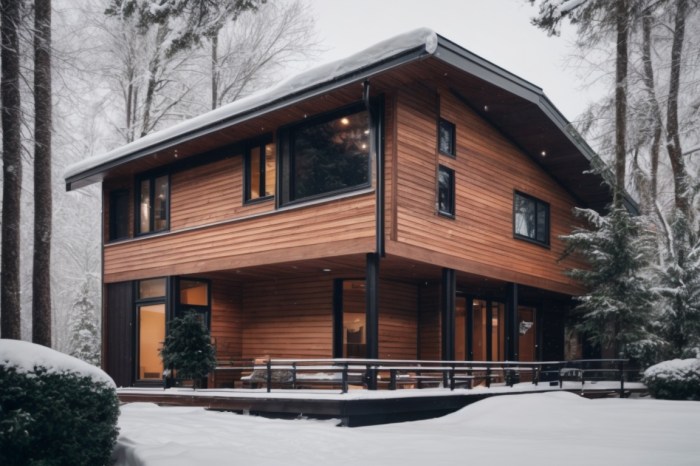
Installing exterior siding in regions with harsh weather requires specific best practices to ensure longevity and protection for your home. Proper installation techniques play a crucial role in enhancing the durability of the siding and its ability to withstand strong winds, heavy rain, and extreme temperatures.
Step-by-step guide for installing durable siding:
- Prepare the surface: Ensure the surface is clean, dry, and free of any debris or moisture that could affect the adhesion of the siding.
- Choose the right materials: Select durable siding materials that are designed to withstand the climatic conditions of your region.
- Install a moisture barrier: Properly install a moisture barrier to prevent water infiltration and damage to the underlying structure.
- Follow manufacturer guidelines: Adhere to the manufacturer's instructions for installation to ensure the siding is properly installed and secured.
- Secure the siding: Use appropriate fasteners to secure the siding in place, ensuring it can withstand strong winds and other weather elements.
- Seal the seams: Seal any gaps or seams in the siding to prevent water penetration and ensure a watertight seal.
- Consider professional installation: For complex or large-scale projects, consider hiring a professional contractor with experience in installing durable siding.
Maintenance tips for long-lasting siding
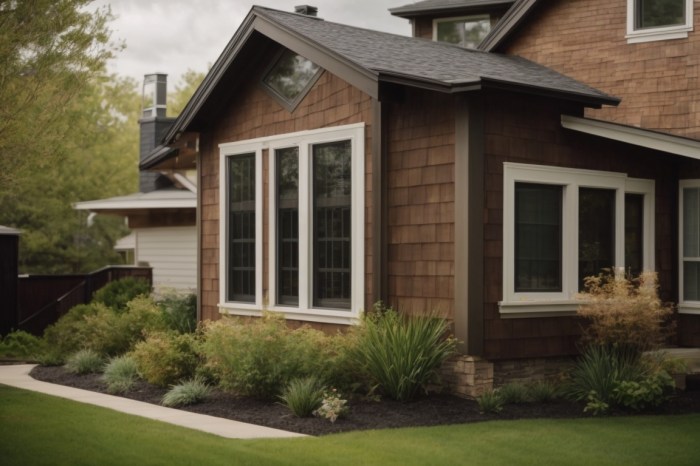
Maintaining durable exterior siding is crucial to ensure its longevity and protection against harsh weather conditions. By following these maintenance tips, you can extend the lifespan of your siding and keep your home looking great for years to come.
Regular Inspections and Repairs
- Inspect your siding at least once a year for any signs of damage, such as cracks, warping, or peeling paint.
- Address any issues promptly to prevent further damage and maintain the integrity of the siding.
- Consider hiring a professional to conduct a thorough inspection every few years for a more in-depth assessment.
Protection from Moisture and UV Exposure
- Ensure that your siding is properly sealed to prevent moisture from seeping in and causing rot or mold growth.
- Regularly clean your siding to remove dirt, debris, and grime that can trap moisture and lead to deterioration.
- Apply a UV-resistant coating or paint to protect your siding from sun damage and fading over time.
Environmental Factors
- Trim any vegetation near your siding to prevent branches or leaves from scratching or damaging the surface.
- Keep gutters clean to avoid water overflow that can damage the siding and cause water infiltration.
- Monitor the drainage around your home to ensure water flows away from the foundation and siding to prevent water damage.
Design considerations for weather-resistant siding
When it comes to choosing exterior siding for harsh climates, design plays a crucial role in ensuring durability and longevity. By selecting the right color, texture, and style, you can enhance the weather resistance of your siding while also adding aesthetic appeal to your home.
Color Choices
The color of your siding can impact its ability to withstand harsh weather conditions. Lighter colors tend to reflect sunlight and heat, reducing the risk of warping or fading. Dark colors, on the other hand, absorb heat and may lead to faster deterioration.
Consider opting for lighter shades to improve the longevity of your siding.
Textures and Styles
The texture and style of your siding can also affect its durability. Textured siding can hide imperfections and provide better resistance to impact and scratches. Additionally, certain styles, such as lap siding or board and batten, offer more protection against moisture infiltration and wind damage.
Choose a style that not only complements your home's architecture but also enhances its weather resistance.
Innovative Design Solutions
Innovative design solutions can combine aesthetics with functionality to create durable siding. For example, incorporating drainage channels or ventilation gaps behind the siding can prevent moisture buildup and mold growth. Utilizing advanced materials like fiber cement or engineered wood can offer superior protection against extreme weather conditions.
Explore these design options to ensure your siding remains resilient in the face of harsh climates.
Last Point
In conclusion, understanding the nuances of durable exterior siding for harsh weather is crucial in maintaining the longevity and resilience of your home's exterior. By implementing the recommended practices and keeping up with maintenance, you can ensure that your siding remains strong and weather-resistant for years to come.
Dive into the world of durable siding and protect your home with style and durability.
Frequently Asked Questions
What are the best siding materials for harsh weather conditions?
Materials such as fiber cement and metal are highly durable and resilient to extreme weather, making them ideal choices for harsh climates.
How often should I inspect my siding for maintenance?
Regular inspections every 6 months are recommended to catch any issues early and ensure your siding remains in top condition.
Can design choices impact the durability of siding?
Absolutely. Opting for darker colors and textured surfaces can enhance the weather resistance of siding materials, providing both style and functionality.


