

With Smart exterior security systems for modern homes at the forefront, this paragraph opens a window to an amazing start and intrigue, inviting readers to embark on a storytelling filled with unexpected twists and insights. In today's fast-paced world, ensuring the safety and security of our homes has become paramount.
Smart exterior security systems offer a cutting-edge solution to protect modern homes from potential threats, providing peace of mind to homeowners. Let's delve into the world of smart exterior security systems and explore how they are revolutionizing home protection.
Overview of Smart Exterior Security Systems
Smart exterior security systems play a crucial role in safeguarding modern homes, providing homeowners with advanced technology to protect their property and loved ones. These systems offer enhanced security measures compared to traditional setups, giving homeowners peace of mind and added convenience.
Key Components of a Smart Exterior Security System
- Smart Cameras: High-resolution cameras equipped with motion sensors and night vision capabilities for 24/7 monitoring.
- Motion Sensors: Detects any movement around the perimeter of the property and sends alerts to the homeowner's smartphone.
- Smart Doorbells: Allows homeowners to see and communicate with visitors remotely through a smartphone app.
- Smart Lights: Lighting fixtures that can be controlled remotely to deter intruders and enhance visibility around the property.
- Smart Locks: Keyless entry systems that provide added security and convenience by allowing remote access control.
Evolution of Smart Exterior Security Systems
Smart exterior security systems have evolved rapidly to meet the changing security needs of modern homeowners. Initially focused on surveillance and monitoring, these systems now offer integration with smart home platforms for seamless control and automation. The rise of artificial intelligence and machine learning has also improved the capabilities of these systems, enabling more accurate threat detection and proactive security measures.
Types of Smart Exterior Security Systems
Smart exterior security systems come in various types, each with its own set of features and capabilities to enhance the security of modern homes. Let's explore some of the most common types available in the market.
Smart Cameras
Smart cameras are a popular choice for monitoring the exterior of homes. These cameras are equipped with features such as high-definition video recording, night vision, and motion detection. They can provide real-time video feeds to homeowners, allowing them to keep an eye on their property from anywhere using a smartphone or computer.
Smart cameras can also integrate with other smart home devices, such as smart doorbells and lights, to create a comprehensive security system.
Motion Sensors
Motion sensors are another essential component of smart exterior security systems. These sensors can detect movement outside the home and trigger alerts to notify homeowners of potential intruders. Some motion sensors are designed to differentiate between humans, animals, and other moving objects to reduce false alarms.
They can be integrated with smart lighting systems to automatically illuminate the exterior of the home when motion is detected, deterring potential intruders.
Smart Lighting
Smart lighting systems play a crucial role in enhancing the security of the home's exterior. These systems can be programmed to turn on and off at specific times or in response to motion detection. Smart lights can also be controlled remotely, allowing homeowners to create the illusion of someone being home even when they are away.
When integrated with smart cameras and motion sensors, smart lighting can help create a more robust security system by providing visibility and deterring potential intruders.
Installation and Setup
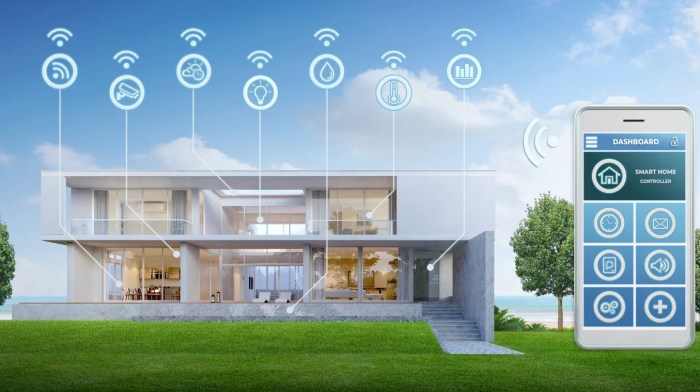
Installing a smart exterior security system involves several steps to ensure proper functionality and coverage. By following best practices and troubleshooting tips, you can maximize the security of your home.
Steps for Installing a Smart Exterior Security System
- Choose the right location for your cameras and sensors based on the layout of your property and potential entry points.
- Mount cameras at a height that allows for optimal viewing angles and coverage of the area.
- Ensure a stable internet connection for remote monitoring and alerts.
- Connect all devices to the central hub or control panel according to the manufacturer's instructions.
- Test the system to verify that all components are functioning correctly and communicating with each other.
Best Practices for Setting Up Smart Exterior Security Systems
- Regularly update firmware and software to protect against security vulnerabilities.
- Secure your network with a strong password and enable encryption to prevent unauthorized access.
- Set up motion detection zones to reduce false alarms and focus on critical areas.
- Integrate your smart security system with other smart home devices for enhanced automation and convenience.
Tips for Troubleshooting Common Installation Issues
- Check power sources and connections to ensure all devices are receiving power.
- Adjust camera angles and settings to improve visibility and reduce blind spots.
- Reset devices or the central hub if you encounter connectivity issues or malfunctions.
- Contact customer support or consult online resources for guidance if you are unable to resolve the issue on your own.
Integration with Home Automation
Smart exterior security systems can be seamlessly integrated with home automation platforms, allowing homeowners to control and monitor their security devices from a centralized interface. This integration enables a more convenient and efficient way of managing security measures while enhancing the overall smart home experience.
Benefits of Integration
- Increased Convenience: With integration, users can arm/disarm their security systems, receive alerts, and view live camera feeds from their smart devices or voice assistants.
- Enhanced Security: By integrating security systems with other smart devices like smart locks, lights, and sensors, homeowners can create automated responses to potential security threats.
- Energy Efficiency: Home automation integration allows for energy-saving practices, such as adjusting lighting and thermostat settings based on security system activity or user preferences.
Scenarios of Home Automation Enhancements
- Presence Simulation: The security system can mimic the homeowners' behavior by turning on/off lights, opening/closing blinds, and playing music to deter potential intruders when the residents are away.
- Emergency Response: In the event of a security breach, integrated systems can automatically alert authorities, lock/unlock doors for emergency services, and activate sirens or alarms for immediate response.
- Customized Settings: Homeowners can create personalized automation routines that adjust security measures based on specific triggers like arming the system when leaving home or disarming upon arrival.
Final Review
In conclusion, Smart exterior security systems for modern homes are more than just gadgets – they are essential tools in safeguarding our living spaces. With advanced technology and seamless integration, these systems provide a robust defense against intruders and emergencies.
Embrace the future of home security with smart exterior systems, and enjoy a newfound sense of security and convenience in your modern abode.
Expert Answers
How do smart exterior security systems benefit modern homes?
Smart exterior security systems offer advanced features like remote monitoring, real-time alerts, and integration with other smart devices, enhancing overall safety and convenience.
What are some key components of a smart exterior security system?
Key components include smart cameras, motion sensors, smart lighting, and a central control hub for monitoring and managing security functions.
Can smart exterior security systems be customized for different home layouts?
Yes, these systems are highly customizable and can be tailored to fit the specific security needs and layout of individual homes.


