

"How to Design Homes for Aging-in-Place Living sets the stage for this enthralling narrative, offering readers a glimpse into a story that is rich in detail with casual formal language style and brimming with originality from the outset."
"As we delve deeper into the intricacies of creating living spaces that cater to the needs of aging individuals, a world of innovative design solutions unfolds before us."
Considerations for Aging-in-Place Design
Designing homes for aging adults involves creating spaces that cater to their changing needs as they grow older. This concept, known as aging-in-place living, focuses on enabling individuals to stay in their own homes comfortably and safely for as long as possible.
Key Factors to Consider
- Accessibility: Ensuring easy access to all areas of the home, including entrances, bathrooms, and bedrooms, is crucial for aging adults. This can involve installing ramps, widening doorways, and minimizing steps to prevent falls.
- Safety Features: Implementing safety measures such as grab bars in bathrooms, non-slip flooring, and well-lit pathways can help prevent accidents and promote independence.
- Adaptable Spaces: Designing spaces that can easily be modified to accommodate changing needs, such as adjustable countertops and lever-style door handles, is essential for long-term usability.
Design Features for Safety and Accessibility
- Zero-Threshold Entries: Eliminating raised thresholds at doorways allows for seamless transitions between rooms and reduces tripping hazards.
- Walk-In Showers: Installing walk-in showers with grab bars and built-in seating provides a safe and convenient bathing solution for aging adults with mobility issues.
- Open Floor Plans: Creating open layouts with wide hallways and clear pathways enhances mobility and accessibility throughout the home.
Functional Design Elements
When designing homes for aging-in-place living, it's crucial to incorporate functional design elements that prioritize ease of use and accessibility for seniors. These elements can greatly enhance the safety and comfort of older adults, allowing them to maintain independence within their own homes.
Examples of Ergonomic Design Elements
- Installing grab bars in bathrooms and near stairs to provide support and stability.
- Using non-slip flooring materials to prevent falls and accidents.
- Adjusting countertop heights to accommodate wheelchair users or individuals with mobility issues.
The Importance of Open Floor Plans and Wide Doorways
Open floor plans and wide doorways are essential for promoting mobility and ease of movement for seniors. They allow for better navigation with mobility aids such as walkers or wheelchairs, reducing the risk of accidents and improving overall accessibility within the home.
The Benefits of Lever-Style Door Handles and Faucets
- Lever-style door handles are easier to operate than traditional round doorknobs, especially for individuals with arthritis or limited hand strength.
- Lever-style faucets are also more user-friendly, requiring minimal effort to turn on and adjust the water temperature, making them ideal for seniors with dexterity issues.
- These design elements promote independence and convenience, ensuring that daily tasks such as opening doors and using faucets can be easily accomplished by older adults.
Safety Features and Modifications
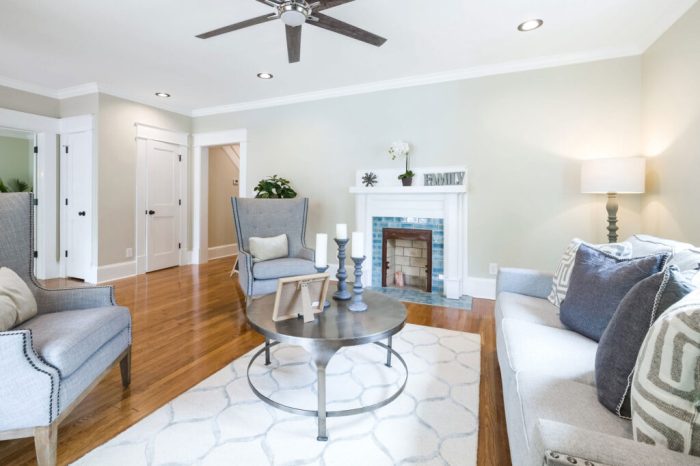
When designing homes for aging-in-place living, safety features and modifications play a crucial role in ensuring the well-being of residents. Here are some key considerations to keep in mind:
Slip-Resistant Flooring and Grab Bars in Bathrooms
Slip-resistant flooring is essential in bathrooms to prevent falls, especially in wet conditions. Additionally, installing grab bars near toilets, showers, and bathtubs can provide the necessary support for individuals with mobility issues.
Adequate Lighting and Contrast for Visual Impairments
Proper lighting is crucial for individuals with visual impairments to navigate their living spaces safely. Consider incorporating motion sensor lights, brighter bulbs, and contrasting colors to improve visibility and reduce the risk of accidents.
Incorporating Smart Home Technology for Safety Monitoring
Smart home technology can enhance safety by enabling remote monitoring of the living environment. Features like smart sensors, cameras, and alarms can alert caregivers or emergency services in case of any unusual activity or emergencies, providing peace of mind for both residents and their families.
Adaptable Spaces for Changing Needs
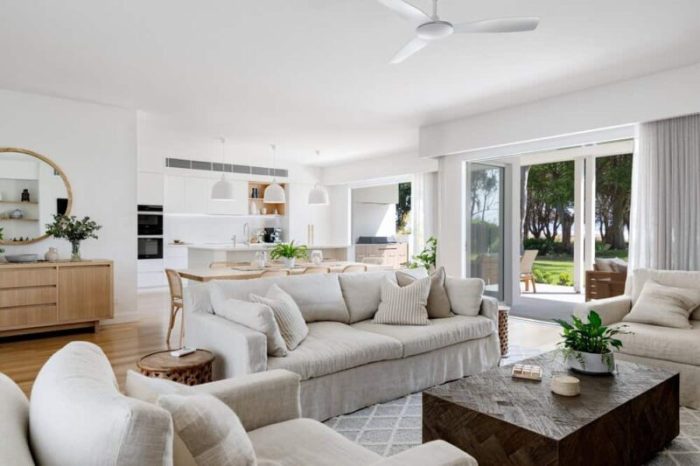
Adaptable spaces are essential for creating a home that can meet the changing needs of individuals as they age. This includes incorporating features that can be easily adjusted to accommodate different requirements over time.
Adjustable Countertops and Cabinets in Kitchens
Having adjustable countertops and cabinets in kitchens can greatly benefit aging individuals. These features can be raised or lowered based on the user's height or mobility, making it easier to access items and work comfortably in the kitchen.
- Adjustable countertops can be raised or lowered to accommodate individuals who may be seated in a wheelchair or have varying height requirements.
- Adjustable cabinets can be installed with pull-out shelves or racks that can be lowered to a reachable height, reducing the need to reach or bend over.
Multi-Functional Rooms
Creating multi-functional rooms that can serve different purposes is a great way to maximize space and adapt to changing needs over time. These rooms can be easily transformed to meet specific requirements without the need for major renovations.
- A guest bedroom with a pull-down bed can double as a home office or craft room when not in use by visitors.
- A living room with modular furniture can easily be rearranged to create more open space for mobility aids like walkers or wheelchairs.
Flexible Furniture Arrangements
Choosing flexible furniture arrangements can make a significant difference in accommodating mobility aids and ensuring ease of movement throughout the home. By selecting pieces that can be easily moved or adjusted, homeowners can create a more accessible living environment.
- Opting for lightweight chairs and tables that can be easily repositioned to create wider pathways or clear spaces for mobility aids.
- Using furniture with built-in storage to reduce clutter and create more functional living areas that are easy to navigate.
Closing Summary
"In conclusion, designing homes for aging individuals involves a delicate balance of functionality, safety, and adaptability. By incorporating thoughtful design elements, spaces can be transformed to support individuals as they age gracefully in the comfort of their own homes."
Quick FAQs
"What is aging-in-place living?"
"Aging-in-place living refers to designing homes to accommodate the changing needs of individuals as they grow older, allowing them to continue living independently in their own homes."
"Why are lever-style door handles and faucets important for seniors?"
"Lever-style door handles and faucets are easier to operate for seniors with limited hand strength or mobility, providing them with increased independence and ease of use."
"How can smart home technology enhance safety for aging individuals?"
"Smart home technology can enhance safety by providing features such as remote monitoring, motion sensors, and emergency alerts, allowing for peace of mind for both seniors and their caregivers."


