

Exploring the realm of Smart Building Design Concepts for Energy Efficiency, this introduction sets the stage for a deep dive into cutting-edge strategies that revolutionize energy consumption in buildings. From the integration of advanced technologies to the importance of sustainable materials, this topic promises a fascinating exploration of the future of eco-friendly architecture.
As we delve further, we will uncover the intricate details of how these concepts are reshaping the landscape of building design and paving the way for a more energy-efficient tomorrow.
Smart Building Design Concepts for Energy Efficiency
Energy efficiency is a crucial aspect of smart building design, as it not only reduces operational costs but also minimizes environmental impact. By incorporating energy-efficient design concepts, smart buildings can optimize their energy consumption and improve overall sustainability.
Importance of Energy-Efficient Design
Efficient design strategies such as proper insulation, natural lighting, and efficient HVAC systems can significantly reduce energy usage in smart buildings. By utilizing renewable energy sources like solar panels and geothermal heating, buildings can further decrease their reliance on traditional energy sources.
Optimizing Energy Consumption with Smart Technologies
Smart building technologies such as building automation systems, IoT sensors, and energy management software can help monitor and control energy usage in real-time. By analyzing data and adjusting building systems accordingly, energy waste can be minimized, leading to significant cost savings.
Innovative Design Strategies
Examples of innovative design strategies for energy-efficient smart buildings include green roofs, rainwater harvesting systems, and passive solar design. These features not only reduce energy consumption but also enhance the overall comfort and wellbeing of building occupants.
Role of Automation and Sensors
Automation and sensors play a crucial role in enhancing energy efficiency in building design by enabling predictive maintenance, optimizing lighting and HVAC systems, and providing real-time energy consumption data. By automating routine tasks and adjusting systems based on occupancy and environmental factors, buildings can operate more efficiently and sustainably.
Sustainable Materials and Technologies
When it comes to energy-efficient building design, the choice of materials and technologies plays a crucial role in achieving sustainability goals. By using sustainable materials and integrating innovative technologies, buildings can reduce energy consumption and minimize environmental impact.
Sustainable Materials
Sustainable materials commonly used in energy-efficient building design include:
- Bamboo: Known for its rapid growth and renewability, bamboo is a versatile material used in flooring, furniture, and structural elements.
- Recycled Steel: Using recycled steel in construction reduces the demand for new steel production and minimizes waste.
- Recycled Glass: Incorporating recycled glass into building materials helps reduce energy consumption during the manufacturing process.
Environmental Impact Comparison
Traditional building materials often have a higher environmental impact compared to sustainable alternatives. For instance, the production of concrete generates a significant amount of carbon dioxide emissions, while sustainable materials like bamboo have a lower carbon footprint due to their renewable nature.
Renewable Energy Integration
In smart building designs, the integration of renewable energy sources such as solar panels and geothermal systems plays a key role in reducing reliance on traditional energy sources. Solar panels harness sunlight to generate electricity, while geothermal systems utilize the Earth's natural heat for heating and cooling purposes.
Energy Conservation Technologies
The latest technologies promoting energy conservation in buildings include:
- Smart Thermostats: These devices optimize heating and cooling based on occupancy and usage patterns, reducing energy waste.
- LED Lighting: LED lights are energy-efficient alternatives to traditional incandescent bulbs, consuming less electricity and lasting longer.
- Building Automation Systems: These systems control lighting, HVAC, and other building functions to maximize energy efficiency and occupant comfort.
Building Envelope and Insulation
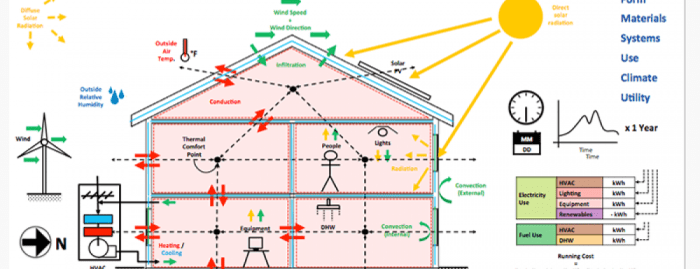
A well-designed building envelope is crucial for energy efficiency in smart buildings. The building envelope, which includes the walls, roof, foundation, windows, and doors, acts as a barrier between the interior and exterior environments, helping to maintain a comfortable indoor climate while minimizing energy consumption.
Types of Insulation Materials and Their Impact
Insulation materials play a significant role in reducing heat transfer and energy consumption in buildings
- Fiberglass Insulation: Made of fine glass fibers, this material is cost-effective and widely used for its thermal resistance properties.
- Spray Foam Insulation: Provides a tight air seal and high R-value, reducing energy loss through air leakage.
- Cellulose Insulation: Made from recycled paper products, it is environmentally friendly and offers good thermal performance.
- Rigid Foam Insulation: Offers high insulating value and is ideal for insulating foundations, roofs, and walls.
Benefits of Proper Insulation
Proper insulation can significantly reduce heating and cooling costs in smart buildings by minimizing heat loss in winter and heat gain in summer. By creating a thermal barrier, insulation helps maintain a consistent indoor temperature, reducing the need for mechanical heating and cooling systems.
Innovative Approaches to Improving Insulation
Innovative approaches to improving insulation in building design include:
- Green Roofs: Installing vegetation on rooftops can provide natural insulation, reducing energy consumption for heating and cooling.
- Phase Change Materials (PCMs): These materials absorb and release heat to regulate indoor temperatures, enhancing energy efficiency.
- Vacuum Insulation Panels: These panels offer high thermal resistance in a thin profile, ideal for space-constrained areas.
- Insulated Concrete Forms (ICFs): Combining insulation and structural support, ICFs provide excellent thermal performance and energy efficiency.
Indoor Environmental Quality and Occupant Comfort
Smart building design concepts play a crucial role in enhancing indoor environmental quality and ensuring occupant comfort. By incorporating innovative strategies, buildings can provide a healthier and more comfortable indoor environment while also reducing energy consumption.
Enhancing Indoor Air Quality
Indoor air quality is a critical factor in occupant health and well-being. Smart building design concepts focus on improving ventilation systems, using air purifiers, and minimizing sources of indoor air pollution. By implementing these measures, buildings can ensure a clean and healthy indoor environment for occupants.
Natural Lighting and Energy Efficiency
Natural lighting not only enhances the aesthetic appeal of a building but also plays a significant role in energy efficiency. By maximizing natural light through strategically placed windows, skylights, and light shelves, buildings can reduce the reliance on artificial lighting and lower energy consumption.
Optimizing Thermal Comfort
Optimizing thermal comfort in buildings involves balancing temperature, humidity, and air movement to create a pleasant indoor environment. Smart building design concepts utilize energy-efficient HVAC systems, high-performance insulation, and smart controls to achieve optimal thermal comfort while minimizing energy use.
Incorporating Green Spaces and Biophilic Design Elements
Integrating green spaces such as indoor plants, vertical gardens, and outdoor green areas can have a positive impact on indoor environmental quality and occupant comfort. Biophilic design elements, inspired by nature, promote well-being and productivity among occupants while also contributing to the overall energy efficiency of the building.
Final Wrap-Up
In conclusion, the discussion on Smart Building Design Concepts for Energy Efficiency highlights the crucial role of innovation and sustainability in shaping the buildings of tomorrow. From enhanced indoor environmental quality to the utilization of renewable energy sources, the future looks bright for smart buildings that prioritize energy efficiency.
Clarifying Questions
How do smart building technologies optimize energy consumption?
Smart building technologies use data analytics and automation to monitor and adjust energy usage in real-time, ensuring maximum efficiency and cost savings.
What are some examples of innovative design strategies for energy-efficient smart buildings?
Innovative strategies include passive solar design, green roofs, and advanced HVAC systems that minimize energy waste and maximize efficiency.
Why is a well-designed building envelope important for energy efficiency?
A well-designed building envelope prevents heat loss in winter and heat gain in summer, reducing the need for heating and cooling energy.
How do green spaces and biophilic design elements contribute to energy-efficient buildings?
Green spaces and biophilic elements improve indoor air quality, reduce energy consumption, and enhance occupant well-being, making buildings more sustainable.

