

Exploring the best eco-friendly siding options for modern homes opens up a world of sustainable choices that not only benefit the environment but also enhance the aesthetics and functionality of your home. From cost-effectiveness to design versatility, eco-friendly siding offers a range of advantages worth considering.
Let's dive into the details of these innovative siding options and discover how they can transform your home into a stylish and environmentally-friendly space.
Types of Eco-Friendly Siding Options
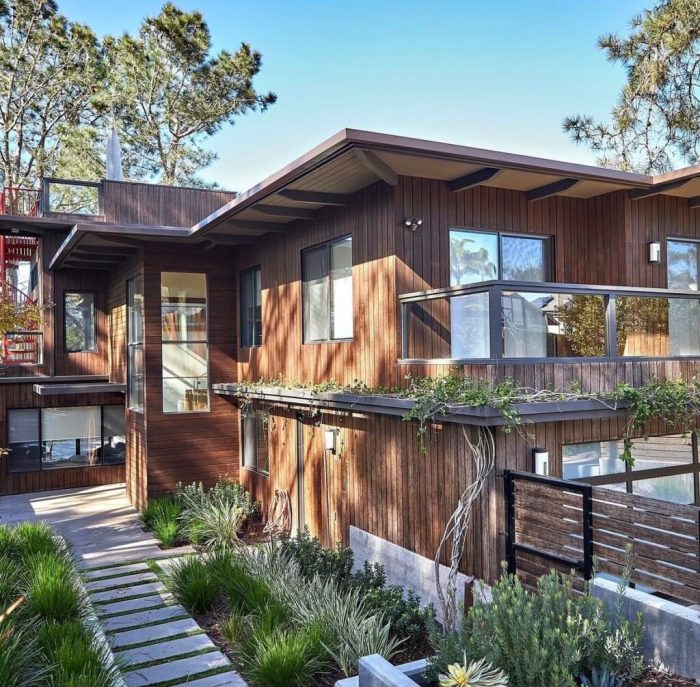
When it comes to choosing siding for modern homes, there are several eco-friendly options available that not only enhance the aesthetic appeal of the house but also contribute to environmental sustainability.
-
1. Reclaimed Wood Siding
Reclaimed wood siding is sourced from old barns, factories, and other structures, giving a rustic and unique look to modern homes. By repurposing old wood, this siding option helps reduce the demand for new timber, thus conserving forests and reducing carbon footprint.
It is important to properly treat and maintain reclaimed wood siding to ensure its longevity.
-
2. Fiber Cement Siding
Fiber cement siding is a durable and low-maintenance option made from a mix of cement, sand, and cellulose fibers. It is resistant to rot, fire, and pests, making it a long-lasting choice for modern homes. Its production process generates less waste compared to traditional vinyl siding, making it an environmentally friendly option.
-
3. Metal Siding
Metal siding, such as steel or aluminum, is a sleek and modern choice for eco-friendly homes. Metal is highly recyclable, making it a sustainable option. It is also resistant to fire, rot, and pests, requiring minimal maintenance over its lifespan.
-
4. Cork Siding
Cork siding is a unique and environmentally friendly option that provides natural insulation and soundproofing to homes. Harvested from the bark of cork oak trees, this material is renewable and biodegradable. Cork siding requires minimal maintenance and can last for many years.
-
5. Bamboo Siding
Bamboo siding is a rapidly renewable and sustainable material that offers a modern and exotic look to homes. Bamboo grows quickly and can be harvested without causing harm to the environment. It is resistant to moisture and pests, making it a durable choice for eco-conscious homeowners.
Cost-Effectiveness and Long-Term Savings
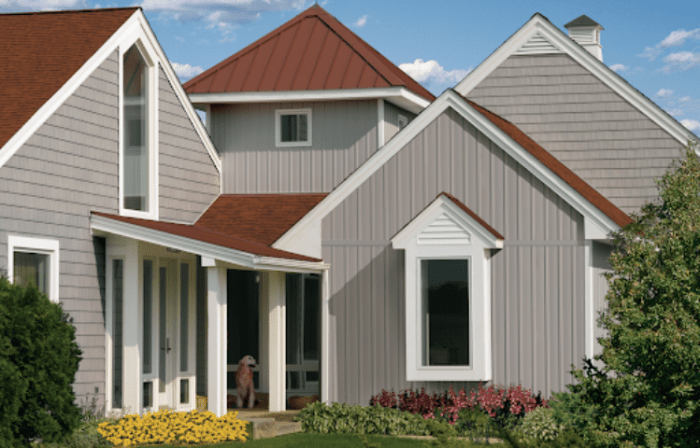
When considering siding options for a modern home, it is essential to evaluate the cost-effectiveness and long-term savings that eco-friendly materials can offer. While the initial costs of eco-friendly siding may be slightly higher than traditional materials, the long-term benefits often outweigh the upfront investment.Eco-friendly siding options such as fiber cement, reclaimed wood, and recycled metal may have higher initial costs compared to vinyl or aluminum siding.
However, these materials are more durable and require less maintenance over time, ultimately reducing the need for frequent repairs or replacements.
Energy Efficiency and Utility Bill Reduction
Eco-friendly siding can significantly increase a home's energy efficiency by providing better insulation and reducing heat loss or gain. For example, fiber cement siding has excellent thermal properties, helping to regulate indoor temperatures and reduce the reliance on heating and cooling systems.
This can lead to lower utility bills and long-term savings on energy costs.In addition, some eco-friendly siding options are designed to reflect sunlight and reduce heat absorption, further enhancing a home's energy efficiency. By choosing materials that contribute to better insulation and energy conservation, homeowners can enjoy reduced energy expenses and a more sustainable living environment.
Aesthetics and Design Options
When it comes to eco-friendly siding options for modern homes, aesthetics and design play a crucial role in enhancing the overall look and feel of the property
Let's explore some design trends and options available in eco-friendly siding materials.
Color Options, Textures, and Finishes
- Color Options: Eco-friendly siding materials come in a wide range of colors to suit various design preferences. From earthy tones to vibrant hues, you can choose a color that aligns with your home's aesthetic.
- Textures: Different siding materials offer unique textures, such as smooth, wood-grain, or rustic finishes. Consider the texture of the siding to add depth and visual interest to your home's exterior.
- Finishes: Matte, satin, or glossy finishes can further enhance the look of your eco-friendly siding. Choose a finish that complements the overall design of your home and ensures longevity.
Choosing a Complementary Siding Option
- Consider Architectural Style: Whether you have a modern, traditional, or contemporary home, select a siding material that harmonizes with the architectural style to create a cohesive look.
- Blend with Surroundings: Take into account the surrounding environment and neighborhood aesthetics when choosing a siding option. Ensure that the color and texture of the siding complement the natural landscape.
- Sample Swatches: Before making a final decision, obtain sample swatches of different siding materials to see how they look in different lighting conditions. This can help you visualize how the siding will appear on your home.
Installation Process and Considerations
Installing eco-friendly siding materials is a crucial step in ensuring the sustainability and energy efficiency of modern homes. The installation process for these materials may vary depending on the type of siding chosen, but there are some general considerations to keep in mind.
Professional Installation
One of the most important considerations when installing eco-friendly siding is to hire experienced professionals for the job. Proper installation is key to maximizing the benefits of these materials, such as improved energy efficiency and durability. Professionals have the expertise and tools needed to ensure that the siding is installed correctly, minimizing the risk of any issues or damage in the future.
Material Specific Requirements
Each eco-friendly siding material may have specific requirements or considerations during the installation process. For example, some materials may require special tools or techniques for cutting and shaping, while others may need to be installed with certain weather conditions in mind.
It is important to carefully follow the manufacturer's instructions and guidelines to ensure that the siding is installed correctly and functions as intended.
Sustainable Installation Practices
When installing eco-friendly siding, it is also important to consider sustainable installation practices. This includes minimizing waste, recycling any leftover materials, and avoiding the use of harmful chemicals or adhesives that can negatively impact the environment. By choosing sustainable installation practices, homeowners can further reduce their carbon footprint and contribute to a more eco-friendly home.
Summary
In conclusion, opting for eco-friendly siding options for your modern home is not just a trend but a smart choice for a greener future. With a careful selection that balances sustainability, durability, and design, you can create a home that not only looks beautiful but also contributes positively to the environment.
Embrace the eco-friendly revolution in siding choices and redefine your home's exterior with style and conscience.
FAQ Corner
How do eco-friendly siding options benefit the environment?
Eco-friendly siding materials reduce the need for harmful chemicals, lower energy consumption during production, and often incorporate recycled content, making them a more sustainable choice for the environment.
Are eco-friendly siding options more expensive than traditional materials?
While the initial costs of eco-friendly siding may be slightly higher, the long-term savings in energy bills and maintenance costs often make them a cost-effective choice over time.
What design options are available for eco-friendly siding?
Eco-friendly siding comes in various colors, textures, and finishes, allowing homeowners to choose a design that complements the style and architecture of their modern home.
Is professional installation necessary for eco-friendly siding?
Given the unique requirements of eco-friendly siding materials, it is recommended to hire experienced professionals for the installation to ensure proper fitting and maximize the benefits of these sustainable options.


