

Exploring the seamless integration of nature into home architecture, this topic delves into innovative ways to merge the beauty of the outdoors with the comfort of indoor living spaces. From sustainable design practices to biophilic principles, discover how to create a harmonious blend of nature and architecture in your home.
Incorporating Natural Elements in Home Architecture
Integrating natural elements into home architecture can create a harmonious and soothing living environment that connects residents with the beauty of the outdoors.
Wood
- Wood can be used for flooring, ceiling beams, or even accent walls to bring warmth and a sense of nature into the home.
- Utilizing reclaimed wood or sustainably sourced timber adds an eco-friendly touch to the design.
- Wood elements can be combined with large windows to enhance natural light and outdoor views.
Stone
- Stone features like fireplace surrounds, countertops, or exterior cladding can add a rustic and earthy feel to the architecture.
- Natural stone walls or pathways in the garden can seamlessly blend the indoor and outdoor spaces.
- Using local stone varieties can help the home blend in with its natural surroundings.
Water
- Integrating water elements like ponds, fountains, or waterfalls can create a calming ambiance and enhance the overall aesthetic appeal.
- A water feature near large windows can reflect natural light and create a tranquil atmosphere indoors.
- Water can also be incorporated through rainwater harvesting systems or sustainable irrigation methods to promote eco-conscious living.
Sustainable Design Practices in Home Architecture
When it comes to blending nature with home architecture, sustainable design practices play a crucial role in creating harmonious and eco-friendly living spaces. By incorporating sustainable materials and techniques, homeowners can reduce their environmental footprint while enjoying a closer connection to the natural world.
Importance of Energy-Efficient Design
Energy-efficient design is essential in nature-inspired architecture as it helps minimize energy consumption and reduce utility costs. By utilizing passive heating and cooling systems, homeowners can maintain comfortable indoor temperatures without relying heavily on artificial heating or cooling methods.
Examples of Green Roofs
- Green roofs, also known as living roofs, are covered with vegetation that helps absorb rainwater, reduce heat absorption, and provide insulation. They not only add a touch of nature to the architecture but also improve energy efficiency by reducing the need for heating and cooling.
Utilizing Solar Panels
- Solar panels are a popular choice for homeowners looking to harness renewable energy sources. By installing solar panels on the roof or in the yard, residents can generate their electricity, reducing their reliance on traditional power grids and lowering their carbon footprint.
Biophilic Design Principles
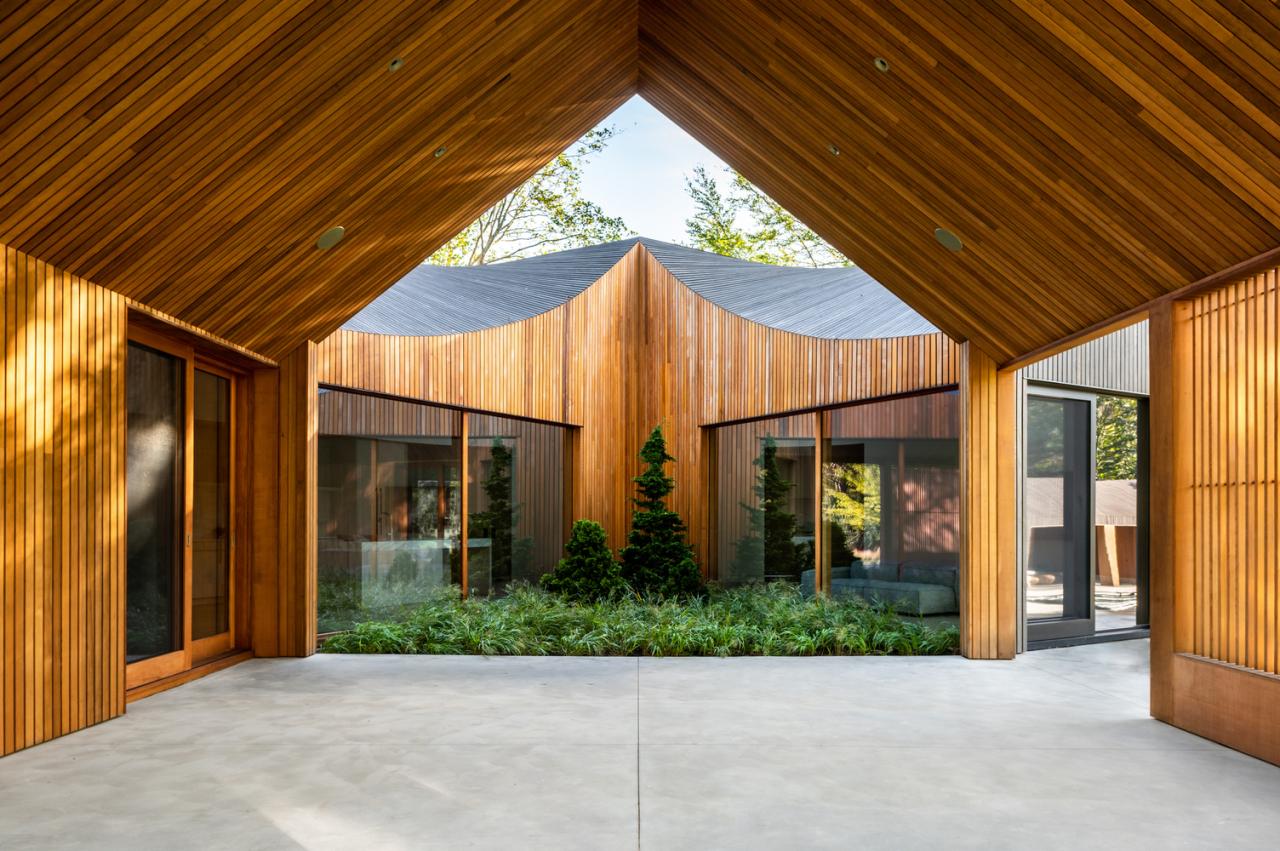
Biophilic design is a concept that focuses on incorporating elements of nature into the built environment to create a connection with the natural world. By integrating natural shapes, patterns, and materials into architectural design, biophilic principles aim to enhance well-being and improve the overall quality of living spaces.
Natural Shapes, Patterns, and Materials
Natural shapes, such as curves and arches, can be integrated into home architecture to mimic elements found in nature like tree branches or rock formations. These organic shapes can create a sense of harmony and tranquility within the space, promoting relaxation and reducing stress.Incorporating patterns inspired by nature, such as leaf motifs or animal prints, can add visual interest and create a sense of vitality in the design.
These patterns can be used in textiles, wallpapers, or flooring to bring a touch of the outdoors inside.Using natural materials like wood, stone, bamboo, or clay can further enhance the connection to nature within the home. These materials not only add warmth and texture to the space but also have a grounding effect that can help occupants feel more connected to the environment around them.
Incorporating Biophilic Elements
1. Natural Ventilation
Designing homes to maximize natural airflow can improve indoor air quality and reduce the reliance on mechanical cooling systems. Incorporating features like operable windows, skylights, or atriums can help promote cross-ventilation and create a more comfortable living environment.
2. Green Walls
Installing living walls or vertical gardens inside the home can introduce a biophilic element that enhances air quality, reduces noise levels, and adds a splash of greenery to the space. These green features can also help regulate humidity levels and promote a sense of well-being for occupants.
3. Water Features
Integrating water elements such as indoor fountains, ponds, or waterfalls can create a calming ambiance and improve the overall sensory experience within the home. The sound of running water can have a soothing effect and contribute to a sense of tranquility and relaxation.By incorporating biophilic design principles and elements into home architecture, homeowners can create spaces that not only look beautiful but also promote health, well-being, and a deeper connection to the natural world.
Indoor-Outdoor Living Spaces
Indoor-outdoor living spaces have become increasingly popular in home architecture, as they provide a seamless connection between the interior and exterior of a home. This design concept allows homeowners to enjoy the benefits of nature while still being inside their homes, creating a harmonious blend between the two environments.
Designing Seamless Transitions
When designing indoor-outdoor living spaces, it is essential to create seamless transitions between interior rooms and outdoor areas. This can be achieved through the use of large sliding glass doors, open floor plans, and consistent flooring materials that extend from indoors to outdoors.
By blurring the boundaries between inside and outside, homeowners can enjoy a sense of continuity and a feeling of being connected to nature.
Functional Outdoor Living Spaces
Creating functional outdoor living spaces that complement the overall design of the home is key to maximizing the benefits of indoor-outdoor living. Consider incorporating features such as outdoor kitchens, fire pits, seating areas, and landscaping elements that enhance the natural beauty of the surroundings.
By designing outdoor spaces that are both aesthetically pleasing and practical, homeowners can fully utilize their outdoor areas as extensions of their indoor living spaces.
Final Review
In conclusion, Design Ideas That Blend Nature with Home Architecture offer a unique opportunity to connect with nature while enjoying the comforts of modern living. By incorporating natural elements and sustainable practices, homeowners can create a truly serene and eco-friendly living environment that enhances both aesthetics and functionality.
User Queries
How can natural elements like wood and stone be incorporated into home design?
Natural elements like wood and stone can be integrated into home design through features like exposed wooden beams, stone accent walls, or reclaimed wood furniture.
What are some examples of sustainable materials used in nature-inspired architecture?
Sustainable materials commonly used in nature-inspired architecture include bamboo flooring, recycled glass countertops, and reclaimed wood siding.
How can indoor-outdoor living spaces be designed to seamlessly blend with home architecture?
Designing indoor-outdoor living spaces involves using elements like sliding glass doors, outdoor kitchens, and cohesive flooring materials to create a fluid transition between indoor and outdoor areas.


