

Exploring the world of eco-friendly siding options for sustainable buildings, this guide offers a detailed look into the various materials, costs, energy efficiency, aesthetics, and installation practices. Dive in to discover how these choices can transform the sustainability of your next building project.
Types of Eco-friendly Siding Materials
When it comes to sustainable buildings, choosing the right siding materials is crucial for reducing environmental impact and creating a more eco-friendly structure. There are several options available that offer both durability and sustainability.
Reclaimed Wood
Reclaimed wood siding is sourced from old barns, warehouses, and other structures, giving it a rustic and unique look. By using reclaimed wood, you are preventing new trees from being cut down and reducing waste. This material requires periodic maintenance such as staining or sealing to protect it from the elements.
Bamboo
Bamboo siding is a rapidly renewable resource that grows much faster than traditional hardwoods. It is also biodegradable and recyclable, making it a truly sustainable choice. Bamboo siding is durable and resistant to pests, but it may require more frequent maintenance to prevent warping or fading.
Fiber Cement
Fiber cement siding is made from a mix of cement, sand, and cellulose fibers, offering a durable and low-maintenance option. It is resistant to rot, fire, and pests, making it a long-lasting choice for eco-friendly buildings. Fiber cement siding is also available in a variety of styles and colors to suit different design preferences.
Recycled Metal
Using recycled metal for siding is another eco-friendly option that helps reduce the demand for new materials. Metal siding is highly durable, fire-resistant, and recyclable at the end of its lifespan. While metal siding may require repainting over time, it generally has a long lifespan with minimal maintenance.
Cork
Cork siding is a unique and sustainable option that offers natural insulation properties and sound absorption. Cork is harvested from the bark of cork oak trees, which can regenerate after harvesting, making it a renewable material. Cork siding is resistant to mold, mildew, and pests, but it may require occasional sealing to maintain its appearance.
Cost Considerations and Affordability
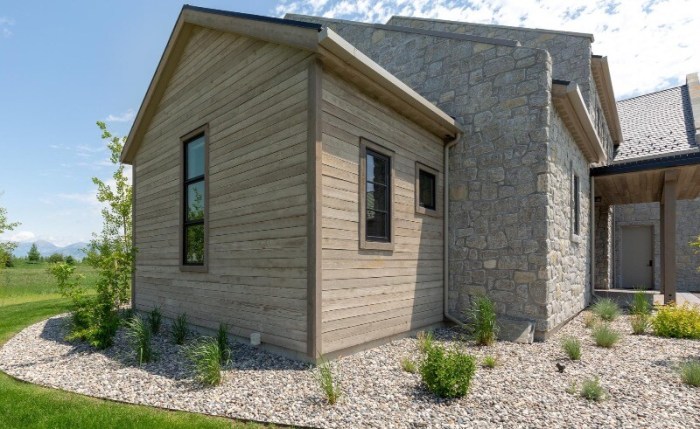
When considering eco-friendly siding materials for sustainable buildings, cost is a significant factor that often comes into play. While eco-friendly options may have a higher initial cost compared to traditional siding materials, they offer long-term cost savings and a great return on investment due to their durability and energy efficiency.
Cost-Effective Eco-Friendly Siding Options
- Bamboo Siding: Bamboo siding is a cost-effective option that is not only sustainable but also durable. It is available in various styles and finishes, making it a versatile choice for different budgets.
- Recycled Wood Composite Siding: Made from recycled materials, wood composite siding offers a budget-friendly option for eco-conscious builders. It provides the look of natural wood without the high cost and maintenance requirements.
- Fiber Cement Siding: Fiber cement siding is known for its durability and resistance to pests and rot. While it may have a slightly higher initial cost, the minimal maintenance needed over time makes it a cost-effective choice in the long run.
- Reclaimed Wood Siding: Opting for reclaimed wood siding not only gives a unique and rustic look to a building but also helps reduce waste. It can be a budget-friendly option for those looking for sustainable materials with character.
Energy Efficiency and Insulation Properties
When it comes to eco-friendly siding materials, their impact on the energy efficiency of a building is significant. These materials can help reduce energy consumption and lower heating and cooling costs, making them a sustainable choice for environmentally conscious construction projects.Explainatory paragraph:Eco-friendly siding materials are designed to provide better insulation for buildings, helping to regulate indoor temperatures more efficiently.
This can lead to reduced reliance on heating and cooling systems, ultimately decreasing energy usage and lowering utility bills. By choosing the right eco-friendly siding option, you can improve the overall energy efficiency of your building and contribute to a more sustainable environment.
Insulation Properties of Eco-friendly Siding Materials
- Bamboo: Bamboo siding offers excellent insulation properties, helping to keep the interior of a building cool in the summer and warm in the winter.
- Cork: Cork siding is a natural insulator that can help regulate indoor temperatures and reduce energy consumption.
- Recycled Wood: Recycled wood siding provides good insulation, helping to maintain a comfortable indoor environment while reducing energy costs.
Comparison of Energy-saving Benefits
- Bamboo: Bamboo siding is known for its high insulation properties, making it a great option for energy-efficient buildings.
- Cork: Cork siding offers excellent thermal insulation, helping to minimize heat transfer and maintain consistent indoor temperatures.
- Recycled Wood: Recycled wood siding provides effective insulation, contributing to energy savings and sustainable construction practices.
Aesthetics and Design Possibilities
When it comes to eco-friendly siding options for sustainable buildings, aesthetics and design possibilities play a crucial role in enhancing the overall look and feel of a structure. The use of environmentally friendly materials can not only contribute to a greener environment but also add a unique and visually appealing element to the design of a building.
Versatility in Design
One of the key advantages of eco-friendly siding materials is their versatility in design. These materials offer a wide range of options in terms of colors, textures, and finishes, allowing architects and designers to create innovative and visually striking facades.
For example, reclaimed wood siding can bring a rustic and natural look to a building, while fiber cement siding offers a modern and sleek appearance.
Examples of Sustainable Buildings
Many sustainable buildings around the world showcase the innovative use of eco-friendly siding materials. For instance, the Bullitt Center in Seattle features a facade made of salvaged metal and sustainably harvested wood, creating a harmonious blend of modern design and environmental consciousness.
Similarly, the Edge in Amsterdam uses a combination of recycled materials and energy-efficient technologies to achieve a striking and sustainable architectural statement.
Enhancing Overall Look and Feel
Different eco-friendly siding materials can significantly impact the overall aesthetic of a structure. For example, metal siding can give a building a contemporary and industrial look, while natural stone siding can add a sense of elegance and timelessness. By carefully selecting the right material for the design vision, architects and builders can create stunning and environmentally friendly buildings that stand out in their surroundings.
Installation Process and Sustainable Practices
When it comes to installing eco-friendly siding materials, the process may vary depending on the type of material being used. However, it is essential to follow best practices to ensure the sustainability of the building.Sustainable practices are crucial in both the manufacturing and installation of these materials.
Manufacturers should prioritize using renewable resources, reducing waste, and minimizing energy consumption during production. Similarly, during installation, contractors should focus on minimizing waste, using environmentally friendly adhesives and sealants, and ensuring proper disposal of any leftover materials.
Choosing Environmentally Responsible Contractors
When selecting contractors for the installation of eco-friendly siding materials, it is essential to choose those who prioritize sustainability. Look for contractors who have experience working with sustainable materials, follow green building practices, and have certifications in environmentally responsible construction.
By choosing the right contractors, you can ensure that the installation process aligns with your sustainability goals.
Outcome Summary
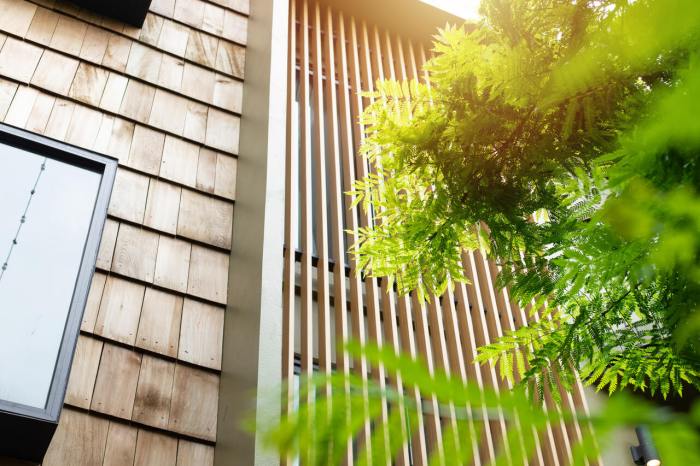
In conclusion, the eco-friendly siding options discussed here not only enhance the environmental friendliness of buildings but also offer cost-effective solutions with long-term benefits. Consider these factors when choosing siding materials for your sustainable construction projects.
FAQ Explained
Are eco-friendly siding materials more expensive than traditional options?
Eco-friendly siding materials may have a higher initial cost, but they often provide long-term cost savings through energy efficiency and durability.
How do eco-friendly siding materials contribute to energy efficiency?
Eco-friendly siding materials offer better insulation properties, reducing the need for excessive heating or cooling and ultimately lowering energy consumption.
What are some examples of cost-effective eco-friendly siding options?
Recycled wood composite siding and fiber cement siding are affordable options that offer both sustainability and durability.
What sustainable practices are involved in the manufacturing of eco-friendly siding materials?
Manufacturers often use renewable energy sources and recycled materials in the production of eco-friendly siding, reducing environmental impact.


