

Embarking on a journey through the world of Minimalist Architecture Trends in Modern House Design, we delve into the essence of sleek lines, simplistic forms, and functional spaces that define this contemporary aesthetic. From iconic structures to key characteristics, this exploration uncovers the impact of minimalist architecture on the evolution of modern house design trends.
As we navigate through the elements of minimalist architecture, interior design nuances, and sustainability practices, a comprehensive understanding emerges, shedding light on the beauty of minimalism in the realm of architecture and design.
Overview of Minimalist Architecture Trends
Minimalist architecture in modern house design is characterized by simplicity, clean lines, and an emphasis on functionality. This design approach focuses on stripping away unnecessary elements to create spaces that are sleek, uncluttered, and visually calming.
Iconic Minimalist Architecture Structures
- The Glass House by Philip Johnson: This iconic structure features minimalistic design with its transparent walls and simple geometric form.
- Villa Savoye by Le Corbusier: Known for its minimalist approach to design, this modernist villa embodies the principles of functionality and simplicity.
- Fallingwater by Frank Lloyd Wright: While not traditionally minimalist, this architectural masterpiece showcases how elements of nature can be seamlessly integrated into a minimalist design.
Key Characteristics of Minimalist Architecture
- Simple geometric forms
- Clean lines and open spaces
- Emphasis on natural light and materials
- Minimal use of decoration or embellishments
Influence of Minimalist Architecture on Modern House Design Trends
Minimalist architecture has had a significant impact on modern house design trends, inspiring homeowners and architects to prioritize functionality, simplicity, and efficiency. The focus on clean lines, open spaces, and natural light has become increasingly popular in contemporary residential architecture, leading to the rise of minimalist-inspired homes that promote a sense of peace and tranquility.
Elements of Minimalist Architecture
Minimalist architecture is characterized by its emphasis on simplicity and functionality. It focuses on clean lines, simple forms, and the use of natural light to create a sense of openness and tranquility.
Use of Clean Lines and Simple Forms
In minimalist architecture, clean lines and simple forms are key design elements. This style avoids ornate decorations and focuses on creating spaces that are uncluttered and visually appealing.
Importance of Natural Light
Natural light plays a crucial role in minimalist house design as it helps to enhance the sense of openness and spaciousness. Large windows, skylights, and open floor plans are often used to maximize the flow of natural light into the space.
Role of Materials
Materials such as glass, steel, and concrete are commonly used in minimalist architecture due to their clean and modern aesthetic. These materials help to create a sleek and minimalist look while also providing durability and functionality.
Focus on Functionality and Simplicity
Minimalist architecture prioritizes functionality and simplicity in design. Every element in a minimalist space serves a purpose, and unnecessary clutter is eliminated to create a clean and harmonious environment.
Interior Design in Minimalist Architecture
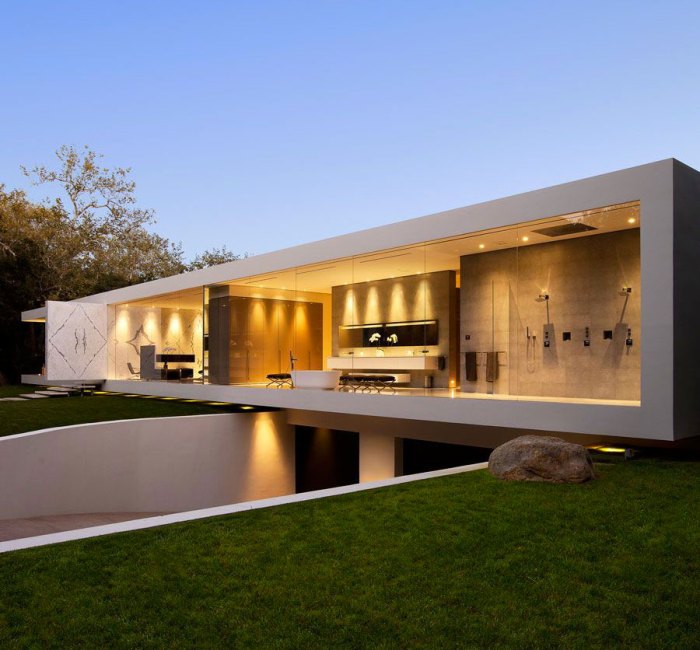
Minimalist architecture extends its principles into interior design, focusing on simplicity, clean lines, and a sense of openness. The interior spaces in minimalist house design are organized in a way that eliminates clutter and unnecessary decorations, creating a serene and uncluttered environment.
Color Palettes in Minimalist Interiors
In minimalist interiors, color palettes are typically neutral and monochromatic, with a focus on whites, grays, and earth tones. These colors help to create a sense of calm and cohesion within the space, allowing the clean lines and architectural elements to stand out.
Role of Furniture and Decor
Furniture and decor play a crucial role in enhancing minimalist architecture by complementing the clean aesthetic of the space. In minimalist interiors, furniture is often sleek and simple in design, with a focus on functionality. Decor items are carefully selected to add visual interest without overwhelming the space.
Concept of “Less is More”
The concept of "less is more" is central to minimalist interior design, emphasizing the idea of quality over quantity. In minimalist spaces, each piece of furniture or decor serves a purpose and contributes to the overall design scheme. By keeping the design simple and focused, minimalist interiors achieve a sense of harmony and balance.
Sustainability and Minimalist Architecture
Minimalist architecture is not only about aesthetics and functionality but also about promoting sustainable practices in house design. By focusing on simplicity, efficiency, and the use of natural elements, minimalist architecture contributes to a more environmentally friendly approach to building homes.
Energy-Efficient Systems in Minimalist House Design
Incorporating energy-efficient systems is a key aspect of minimalist house design. This can include features such as solar panels, energy-efficient appliances, and proper insulation to reduce energy consumption and minimize the carbon footprint of the house.
Incorporation of Green Spaces and Natural Elements
One of the ways minimalist architecture promotes sustainability is by incorporating green spaces and natural elements into the design. This can involve creating indoor gardens, using natural materials like wood and stone, and maximizing natural light to reduce the need for artificial lighting.
Concept of “Living Lightly” in Relation to Minimalist Architecture and Sustainability
The concept of "living lightly" in minimalist architecture emphasizes the importance of consuming resources mindfully and living in harmony with the environment. This approach encourages homeowners to prioritize quality over quantity, reduce waste, and make conscious choices that support a sustainable lifestyle.
Conclusion
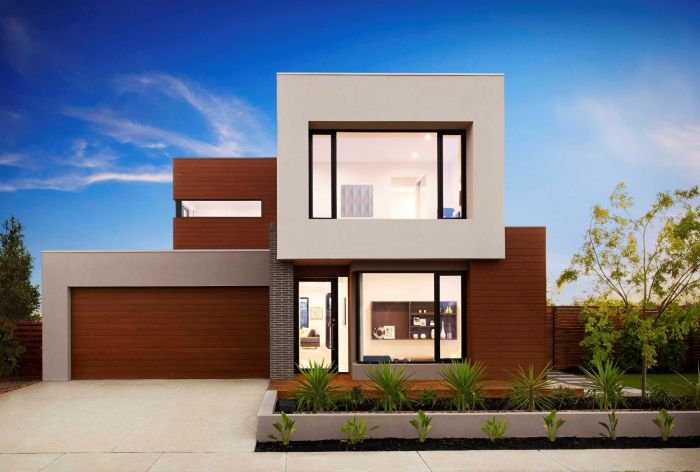
In conclusion, the allure of Minimalist Architecture Trends in Modern House Design lies in its ability to merge simplicity with sophistication, functionality with elegance. As this architectural style continues to shape the landscape of modern homes, one thing remains certain - the timeless appeal of minimalism will always hold a special place in the hearts of design enthusiasts and homeowners alike.
FAQ Corner
What defines minimalist architecture?
Minimalist architecture is characterized by clean lines, simple forms, and a focus on functionality and simplicity.
How does minimalist architecture promote sustainable practices?
Minimalist architecture promotes sustainability through the use of energy-efficient systems, incorporation of green spaces, and a focus on living lightly.
What are the key characteristics of minimalist architecture?
Key characteristics include clean lines, open spaces, emphasis on natural light, and the use of materials like glass, steel, and concrete.


