

Exploring the realm of top siding colors that boost home value, this introduction sets the stage for a captivating journey into the impact of color choices on your property's worth. From influencing curb appeal to appealing to potential buyers, the role of siding colors goes beyond mere aesthetics.
As we delve deeper into the realm of siding colors, we uncover the secrets behind selecting the perfect hues that not only elevate your home's value but also leave a lasting impression.
Importance of Siding Colors
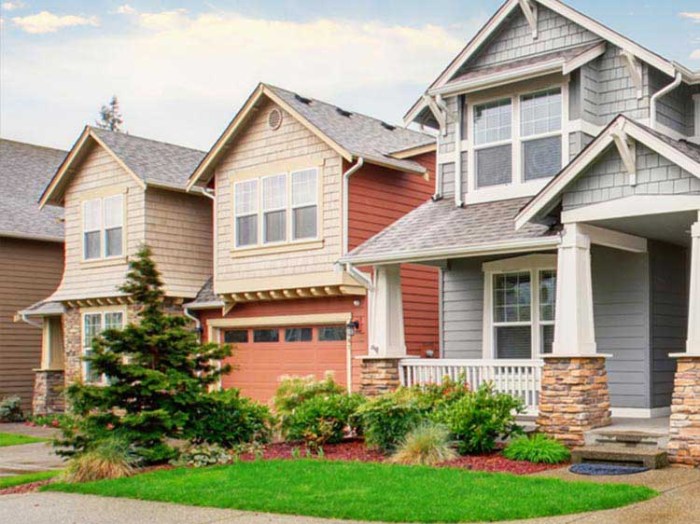
Siding colors play a crucial role in enhancing a home's curb appeal and overall aesthetic. The choice of siding colors can significantly impact the property value and attract potential buyers. Let's delve into how siding colors can influence the perception of a home and its value.
Impact on Curb Appeal
The color of siding can make a powerful first impression on anyone viewing the house. Bright and inviting colors can make a home stand out and appear more welcoming, while darker tones can convey a sense of elegance and sophistication.
The right choice of siding color can make a significant difference in how a home is perceived from the street.
Influence on Property Value
Studies have shown that homes with attractive and well-chosen siding colors tend to have higher property values. The right combination of colors can make a home look well-maintained and modern, which can translate into a higher selling price. On the other hand, outdated or unattractive siding colors can potentially lower the perceived value of a property.
Psychological Effects on Buyers
Different colors can evoke various emotions and perceptions in potential buyers. For example, warm tones like beige or tan can create a sense of comfort and coziness, while cool tones like blue or gray can convey a feeling of calm and sophistication.
Understanding the psychological impact of siding colors can help homeowners make informed choices that appeal to a broader range of buyers.
Popular Siding Colors for Increasing Home Value
When it comes to choosing siding colors that can boost the value of your home, it's essential to consider current trends and regional preferences. The right color can enhance the curb appeal and overall aesthetics of your property, making it more attractive to potential buyers.
Top Trending Siding Colors
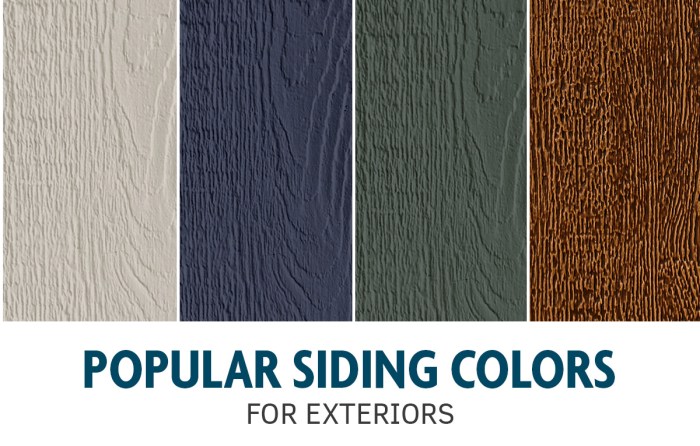
- 1. Soft Gray: A versatile and modern choice that complements various architectural styles.
- 2. Navy Blue: Adds a touch of sophistication and elegance to your home's exterior.
- 3. Olive Green: A nature-inspired hue that blends well with the surrounding landscape.
- 4. Charcoal Black: Creates a bold and dramatic look, perfect for making a statement.
Neutral Colors vs. Bold, Statement Colors
Neutral colors like beige, taupe, and white are timeless classics that appeal to a wide range of tastes. They create a sense of harmony and can make your home appear larger and more inviting. On the other hand, bold, statement colors like red, blue, and green can add personality and character to your property.
While they may not be everyone's cup of tea, they can make your home stand out in the neighborhood.
Regional Preferences
Regional preferences play a significant role in determining the most popular siding colors in a particular area. For example, coastal regions might lean towards shades of blue and gray to reflect the sea and sky, while rural areas may prefer earthy tones like brown and green.
It's essential to consider the local environment and architectural style when choosing a siding color to ensure it complements the surroundings and adds value to your home
Factors to Consider When Choosing Siding Colors
When selecting siding colors for your home, there are several important factors to take into consideration to ensure a cohesive and visually appealing exterior.
Architectural Style Influence
Different architectural styles have unique characteristics and design elements that can influence the choice of siding colors. For example, a traditional colonial-style home may look best with classic neutral tones like white or gray, while a modern contemporary home might benefit from bold and vibrant colors like deep blues or rich greens.
Coordinating with Exterior Elements
It is essential to coordinate your siding colors with other exterior elements such as the roof, trim, doors, and landscaping. Ensuring that these elements complement each other can create a harmonious and balanced look for your home. For instance, if you have a red brick foundation, choosing a siding color that complements the warm tones of the brick can enhance the overall curb appeal.
Selecting Colors that Complement the Environment
Consider the surrounding environment when choosing siding colors to ensure that your home blends in seamlessly with its surroundings. For example, if you live in a wooded area, earthy tones like browns and greens can help your home harmonize with the natural landscape.
On the other hand, if you reside in a coastal region, light blues or soft grays can evoke a beachy vibe that complements the ocean backdrop.
Impact of Light and Shade on Siding Colors
Natural light plays a significant role in how siding colors appear on a home's exterior. The intensity and direction of sunlight can greatly alter the perceived color of siding, making it essential to consider these factors when choosing a color scheme for your home.
Natural Light Effects
- Direct sunlight can make colors appear brighter and more vibrant, while diffused light on cloudy days may soften the colors.
- East-facing homes may have warmer tones in the morning and cooler tones in the afternoon, affecting how the siding colors look throughout the day.
Shadows and Shading
- Shadows cast by nearby trees, structures, or architectural elements can create contrast and change the perceived color of the siding.
- Overhanging eaves or awnings can create areas of shade that may make siding colors appear darker or muted.
Testing Under Different Lighting Conditions
- Before committing to a siding color, it's advisable to test samples on your home's exterior and observe how they look at different times of the day under various lighting conditions.
- Consider testing the samples in both sunny and overcast weather to see how the colors change and make adjustments accordingly.
Final Conclusion
In conclusion, the choice of siding colors can significantly impact your home's overall value and appeal. By understanding the nuances of color selection and its effects, you can transform your property into a desirable asset that stands out in the real estate market.
Q&A
How do siding colors affect property value?
Siding colors can influence property value by enhancing curb appeal and creating a lasting impression on potential buyers.
What are some trending siding colors for increasing home value?
Popular choices include neutral tones like gray and beige, as well as bold colors like navy blue and forest green.
Why is it important to coordinate siding colors with other exterior elements?
Coordinating colors ensures a cohesive look for your home's exterior, enhancing its overall aesthetic appeal.
How can natural light impact the appearance of siding colors?
Natural light can alter the perceived color of siding, making it essential to test colors under different lighting conditions.


